


-1000x1000h-Photoroom-36x36.png)


-36x36.jpg)


-1000x1000h-Photoroom-36x36.jpg)

%20влагозащитена/photo_2026-06-12_15-31-46-36x36.jpg)

%20влагозащитена/photo_2026-06-12_15-26-50-36x36.jpg)

%20влагозащитена/wpc-36x36h.jpg)





-1000x1000h-Photoroom-24x24.jpg)
%20влагозащитена/photo_2026-06-12_15-31-46-24x24.jpg)

%20влагозащитена/photo_2026-06-12_15-26-50-24x24.jpg)

%20влагозащитена/wpc-24x24h.jpg)




-1000x1000h-Photoroom-400x400.png)
-400x400.jpg)


-33%
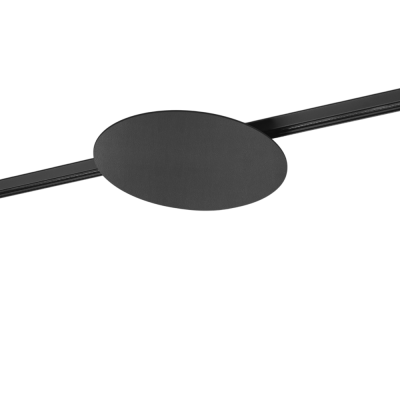
Cosmic Ray Magnet 15PCB е декоративен LED модул за магнитна система 15 PCB с кръгла форма, черен алуминиев корпус и изразен светлинен ефект. Той е под..
64.13€ 95.71€
-33%
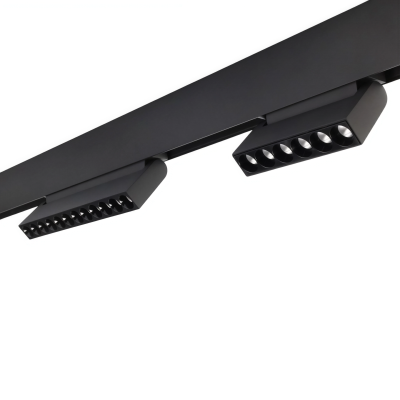
Darklight AJ Magnet е магнитен LED модул с нисък линеен корпус, черно прахово боядисано покритие и прецизна darklight оптика. Той осигурява фокусирано..
38.85€ 57.98€
-33%
Darklight Down Magnet 15PCB е линеен LED модул за магнитна шинна система с черен корпус и подредени оптични клетки за насочено осветяване надолу. Той ..
35.76€ 53.38€
-33%
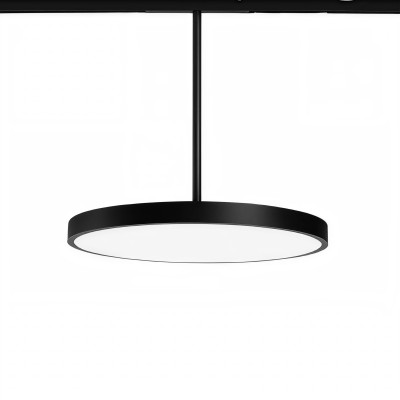
David Magnet е висящ LED пендел за магнитна система 23 mm с кръгъл корпус, минималистична черна рамка и широк светещ дифузер. Той осигурява равномерна..
82.32€ 122.86€
-33%
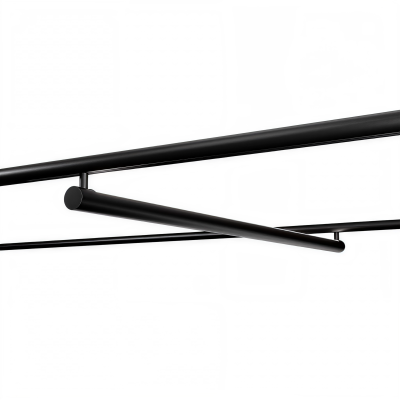
Vector Indirect Magnet е линеен LED модул за магнитна система 23 mm с елегантен цилиндричен профил, черен алуминиев корпус и индиректно разпределение ..
68.44€ 102.16€
-33%
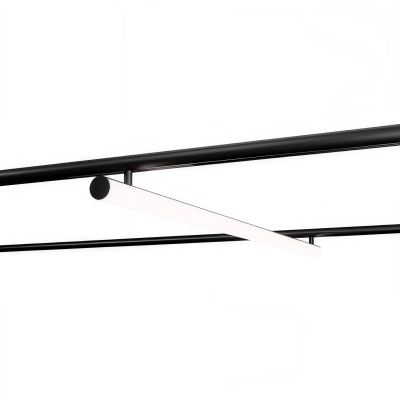
Vector Magnet е линеен LED модул за магнитна система 23 mm с елегантен цилиндричен профил, черен алуминиев корпус и широко 340° разпределение на светл..
61.66€ 92.03€
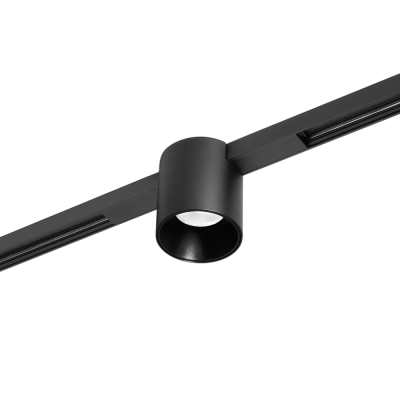
-33%
Achil R Magnet 55 е компактен LED модул за магнитна система 15 PCB OM с цилиндричен черен корпус и прецизно насочена светлина. Моделът съчетава магнит..
46.86€ 69.94€
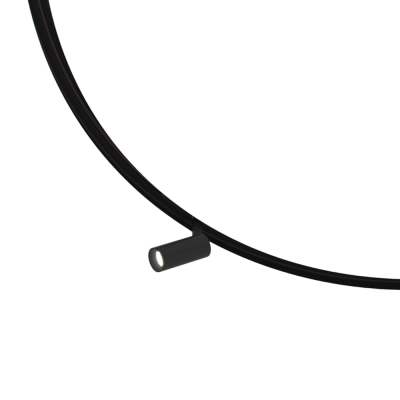
-33%
Eye Magnet Circle е компактен LED спот модул за кръгли магнитни шини от системата Curve Line, създаден за прецизно акцентно осветяване. С цилиндричен ..
53.95€ 80.53€
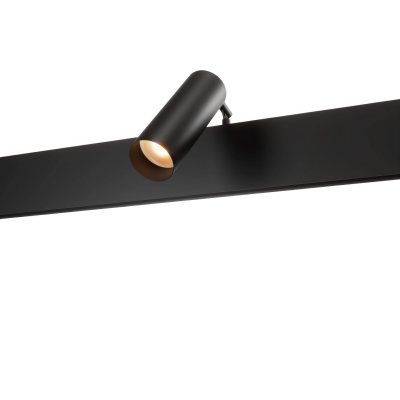
-33%
Eye Magnet Up е магнитен LED прожектор с компактна цилиндрична форма, черен прахово боядисан корпус и насочена светлина. Той се монтира към магнитна с..
42.85€ 63.96€
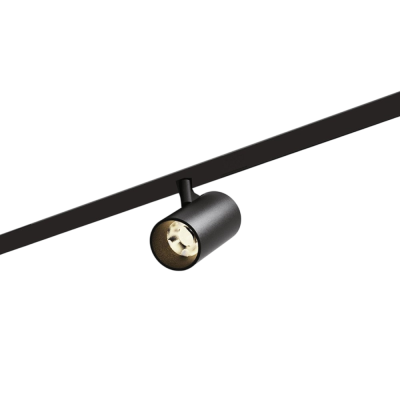
-33%
EYE MAGNET 15PCB е LED модул за магнитна система с компактна цилиндрична форма и черен алуминиев корпус. Той осигурява насочена светлина за акцентно о..
35.76€ 53.38€
-33%
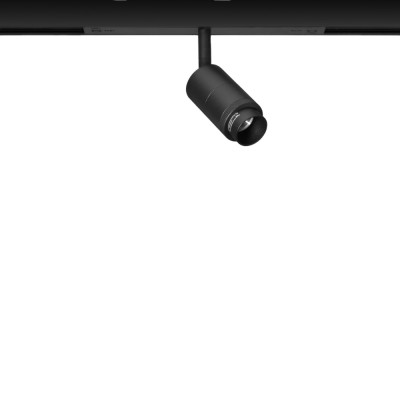
Eye Zoom Magnet е компактен LED спот за магнитна шина 23 mm с цилиндричен черен корпус и регулируем ъгъл на светене от 15° до 55°. Моделът е подходящ ..
48.10€ 71.79€
-33%
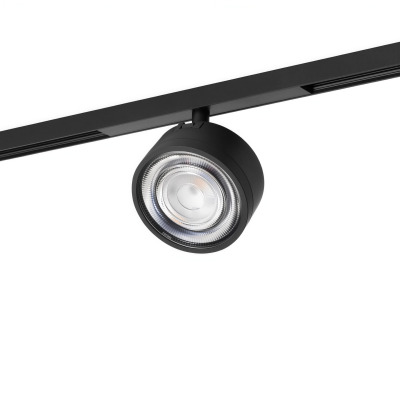
Point Magnet 15PCB е магнитен LED спот с компактна кръгла форма, черен прахово боядисан корпус и прецизна оптика за насочена светлина. Той е предназна..
40.08€ 59.82€
-33%
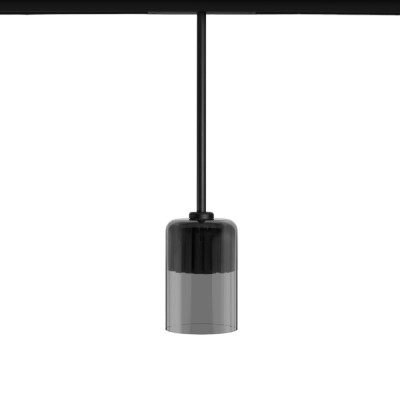
Adriana Magnet е висящо LED осветително тяло за магнитна шина 23 mm със стъклен дифузер, черен алуминиев корпус и елегантен цилиндричен силует. То оси..
68.44€ 102.16€
-33%
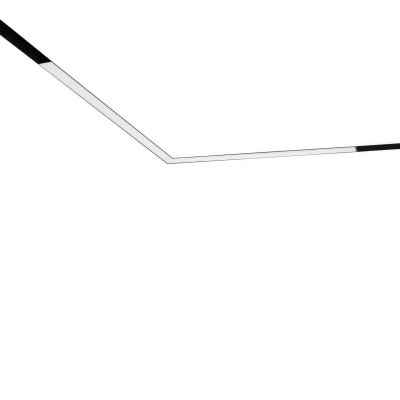
Angle Magnet е ъглов LED модул за магнитна шина 23 mm с изчистена линейна форма и черен прахово боядисан корпус. Той позволява изграждане на геометрич..
41.31€ 61.66€
-33%
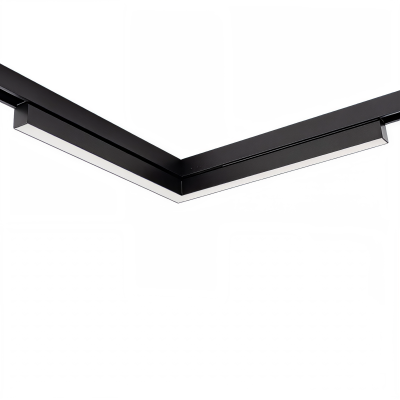
Angle Magnet е ъглов LED модул за магнитни шини 23 mm Slim с черен линеен корпус и геометрична L-образна форма. Той позволява изграждане на пречупени ..
41.31€ 61.66€
-33%
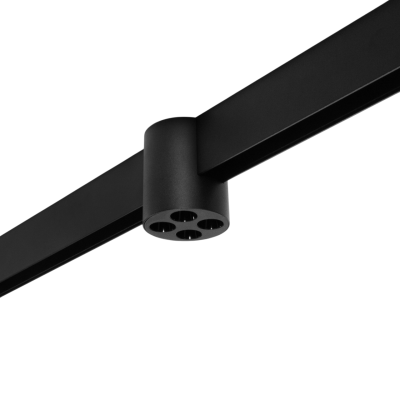
Achil R Darklight Magnet е компактен LED модул за магнитна шина 23 mm с цилиндричен корпус, четири оптики и ниско заслепяване. Моделът комбинира дискр..
48.40€ 72.25€
-33%
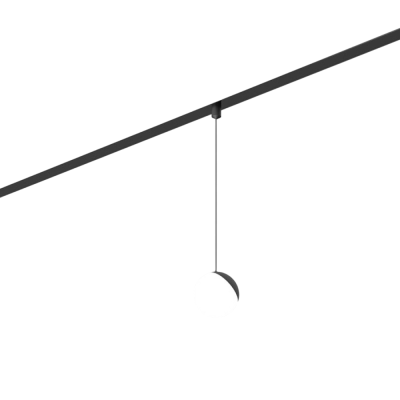
Ball Pendant Pro Magnet е висящ LED модул за магнитна шина 23 mm с изчистена сферична форма, регулируема височина и равномерно разпределена светлина. ..
44.40€ 66.26€
-33%
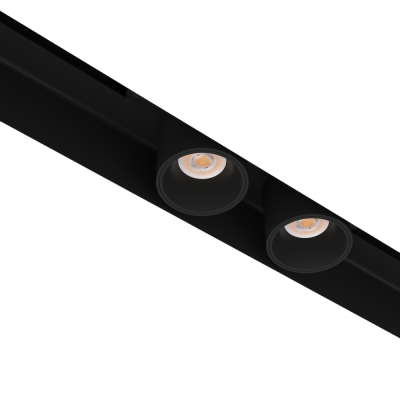
Space RD и Space RD Double са LED модули за магнитна система Deep Line с цилиндрични светлинни глави и черен прахово боядисан алуминиев корпус. Те оси..
29.60€ 44.18€
-33%
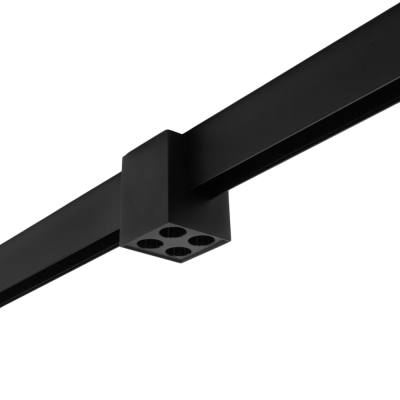
Achil SQ Darklight Magnet е компактен LED модул за магнитна шина 23 mm с изчистена кубична форма, черен корпус и четири прецизни оптики. Моделът осигу..
45.63€ 68.10€
-33%
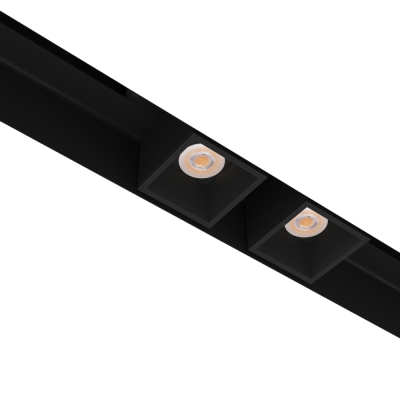
Space SQ и Space SQ Double са магнитни LED модули с минималистичен квадратен дизайн, черен корпус и прецизно оформени светлинни клетки. Те осигуряват ..
34.84€ 52.00€
-33%
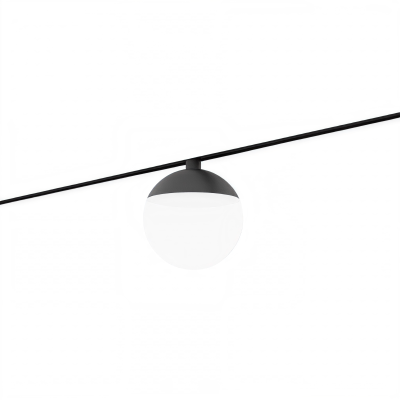
Ball Pro Magnet е магнитен LED модул със сферична форма, горна част от прахово боядисан алуминий и дифузна светеща сфера. Той осигурява меко и равноме..
40.08€ 59.82€
-33%
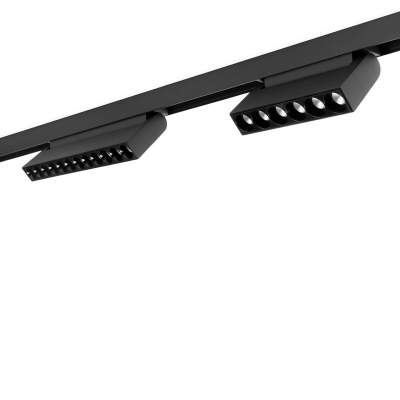
Darklight AJ Magnet 23mm OM Slim е магнитен LED модул с нисък линеен корпус, наклонена геометрия и прецизна оптика за насочена светлина без излишни от..
38.85€ 57.98€
Нов модел
-33%
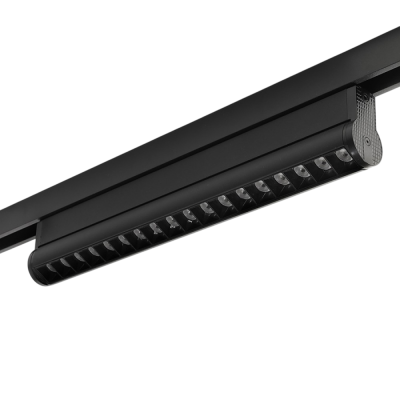
Dark Round AJ е магнитен LED модул за система 23 mm OM Slim с издължен черен корпус, кръгли оптични отвори и насочено светлоразпределение. Той осигуря..
39.00€ 58.21€
-33%
Dark Round AJ е магнитен LED модул за система 23 mm OM Slim с издължен черен корпус, кръгли оптични отвори и насочено светлоразпределение. Той осигуря..
38.23€ 57.06€
-33%
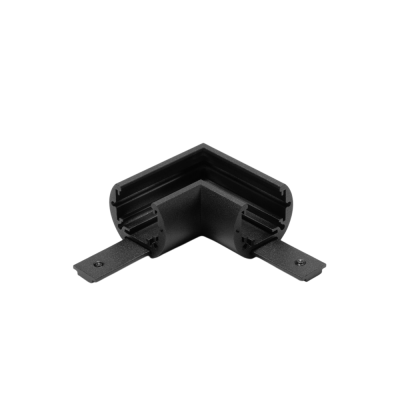
The Multitrack ceiling–ceiling L-connector is a black angular connector designed for the stable connection of two ceiling profiles. It allows a clean ..
13.87€ 20.71€
-33%
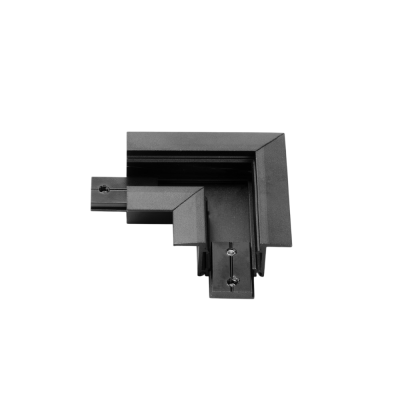
The L-connector for the 15PCB magnetic profile, recessed mounting, ceiling-to-ceiling, is a black angled component designed to connect two ceiling pro..
12.33€ 18.41€
-33%
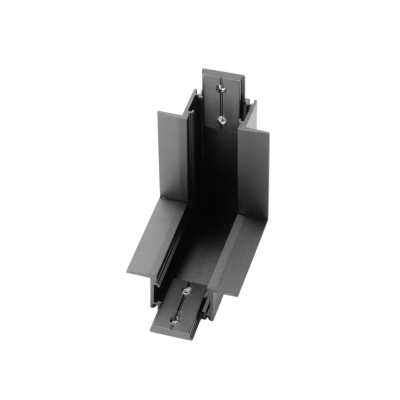
The L-connector for the 15PCB magnetic profile is a black angled connector designed for recessed installation and a 90° wall-to-ceiling transition. It..
12.33€ 18.41€
-33%
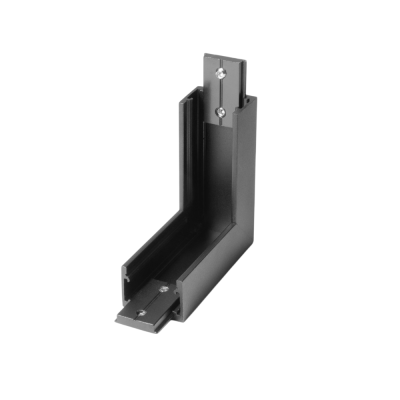
The wall-to-ceiling L-connector for magnetic profiles is a black angled connector designed for joining profiles from the 15PCB system in surface-mount..
9.25€ 13.80€
-33%
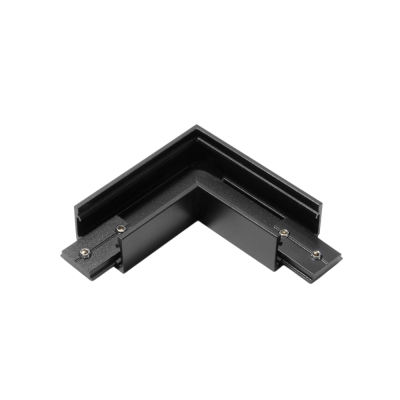
The L-connector for the 15PCB OM magnetic profile is a black angled connector designed for 90° ceiling configurations. It ensures a stable connection ..
9.25€ 13.80€
-33%
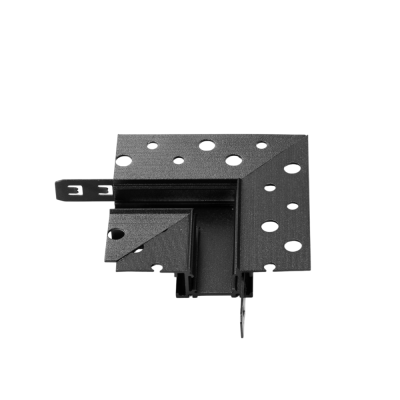
The L-connector for the 15PCB Trimless magnetic profile, ceiling-to-ceiling, is an angled component designed to connect two ceiling profiles at a 90° ..
12.33€ 18.41€
-33%
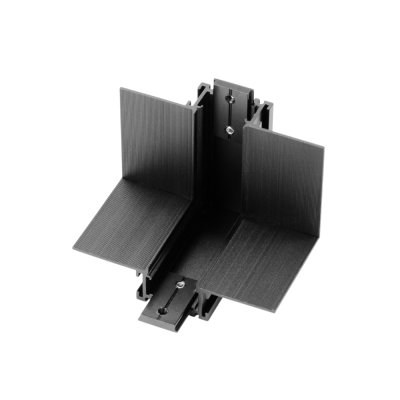
The L-connector for the 15PCB Trimless magnetic profile is a black angled connector designed for joining profiles at 90° in wall-to-ceiling transition..
12.33€ 18.41€
-33%
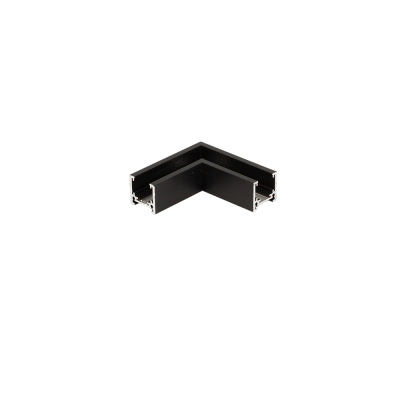
The L-connector for the 23 Slim magnetic profile, ceiling-to-ceiling, is an angled connector designed for a 90° connection between two ceiling profile..
13.87€ 20.71€
-33%
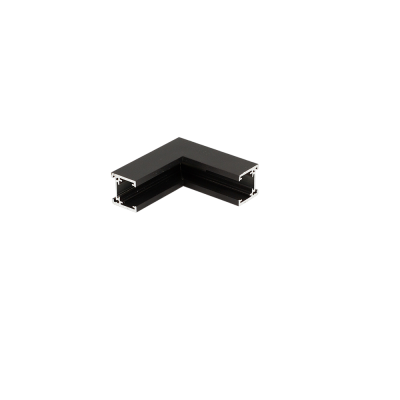
The L-connector for the 23 Slim magnetic profile is an angled component designed to connect profiles at a 90° angle between a wall and ceiling. It all..
13.87€ 20.71€
-33%
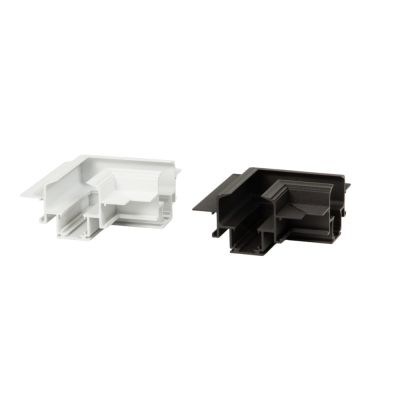
The Trimless 23 mm Ceiling-to-Ceiling L-connector 80x80 is an angled component designed to connect two recessed profiles at a 90° angle. It is intende..
18.50€ 27.61€
-33%
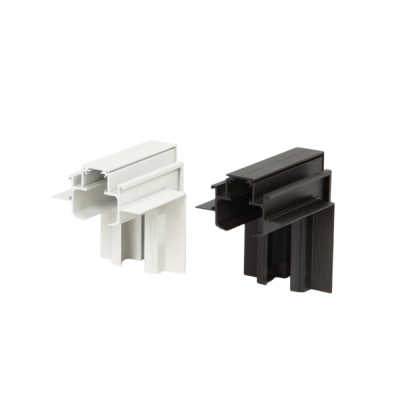
The Trimless 23 mm Wall-to-Ceiling L-connector 80x80 is an angled connecting element designed to transition a magnetic system from the wall to the cei..
18.50€ 27.61€
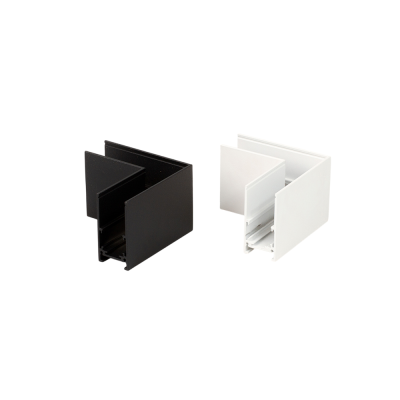
-33%
The L-connector for the OM 23 mm TT magnetic profile is an angular connector designed to join two surface-mounted ceiling profiles at a 90° angle. It ..
12.33€ 18.41€